
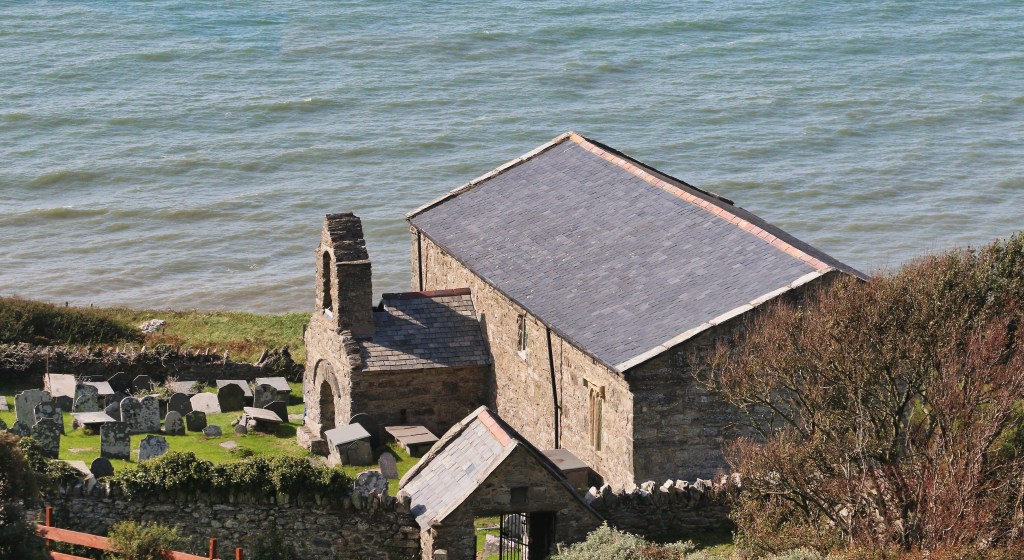
Recently a friend from Germany made a quick visit to Wales and noticed the large number of villages and towns had the prefix of Llan. Later he asked me what it meant. Being Welsh, I’d not thought too much about this beyond the obvious the use of Llan almost invariably denoted a church. I had a little time on my hands this week and determined it was time I exercised the little grey cells and had a deeper look at the historical and cultural implications of the widespread use of Llan in Welsh place names.
From quiet rural parishes to bustling market towns, the prefix appears again and again on signposts, maps, and railway stations. Perhaps one of the more famous is Llanfairpwllgwyngyllgogerychwyrndrobwllllantysiliogogogoch, but will not consider this today, but look more widely.
Far from being a coincidence, this small linguistic element offers a fascinating window into the religious, cultural, and settlement history of Wales — a story that stretches back more than 1,400 years.
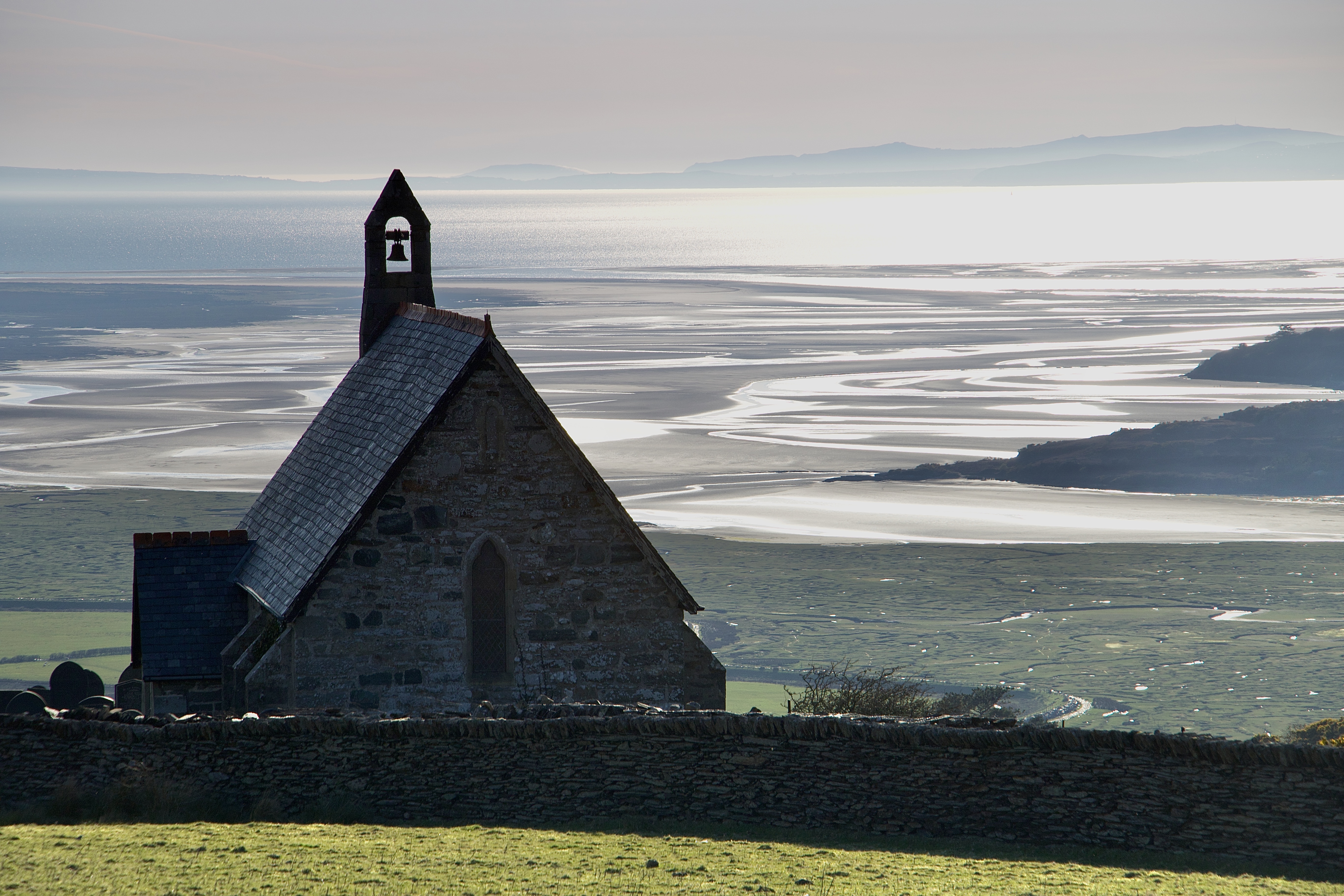
The Meaning and Origins of Llan
The Welsh word llan originates from the early Brythonic Celtic term landā, meaning an enclosed piece of land. In its earliest sense, the word referred simply to a clearing or enclosure, often defined by a bank, hedge, or ditch. Such enclosures were important features in early farming landscapes, marking a space set apart from surrounding woodland or rough ground.
During the 5th to 7th centuries, however, the meaning of llan began to evolve alongside the spread of Christianity across Wales. The enclosed land increasingly came to contain a church, monastic cell, or burial ground, and gradually the word shifted in meaning to refer to a church enclosure or sacred precinct. Eventually it came to signify a church settlement or parish.
This transformation reflects the way early Christian communities were organised in Wales. Rather than large urban cathedrals, the faith was often centred on small rural religious communities, typically consisting of a simple church surrounded by an enclosed cemetery and a cluster of dwellings.
Reading the Landscape Through Place Names
Welsh place names containing llan usually follow a recognisable structure – Llan + the name of a saint or dedication. In other words, the name means “the church of…” or “the enclosure dedicated to…” a particular saint.
As I already mentioned there are many settlements that have the prefix of Llan, and I’ve written about a few in blog posts, but here are a few other examples:
• Llanfair — “the church of Mary”
• Llanbedr — “the church of St Peter”
• Llandeilo — “the church of St Teilo”
• Llangollen — “the church of St Collen”
You may have noticed that the first letter of the saint’s name has changed. Welsh grammar also introduces initial consonant mutations, meaning the saint’s name may change slightly when following llan. For example, Pedr becomes Bedr in Llanbedr, and Mair becomes Fair in Llanfair. These linguistic shifts are a normal feature of Welsh grammar rather than changes in meaning. I think it’s also associated with ease of pronunciation. It’s easier and more fluid to say Llanfair than Llanmair.
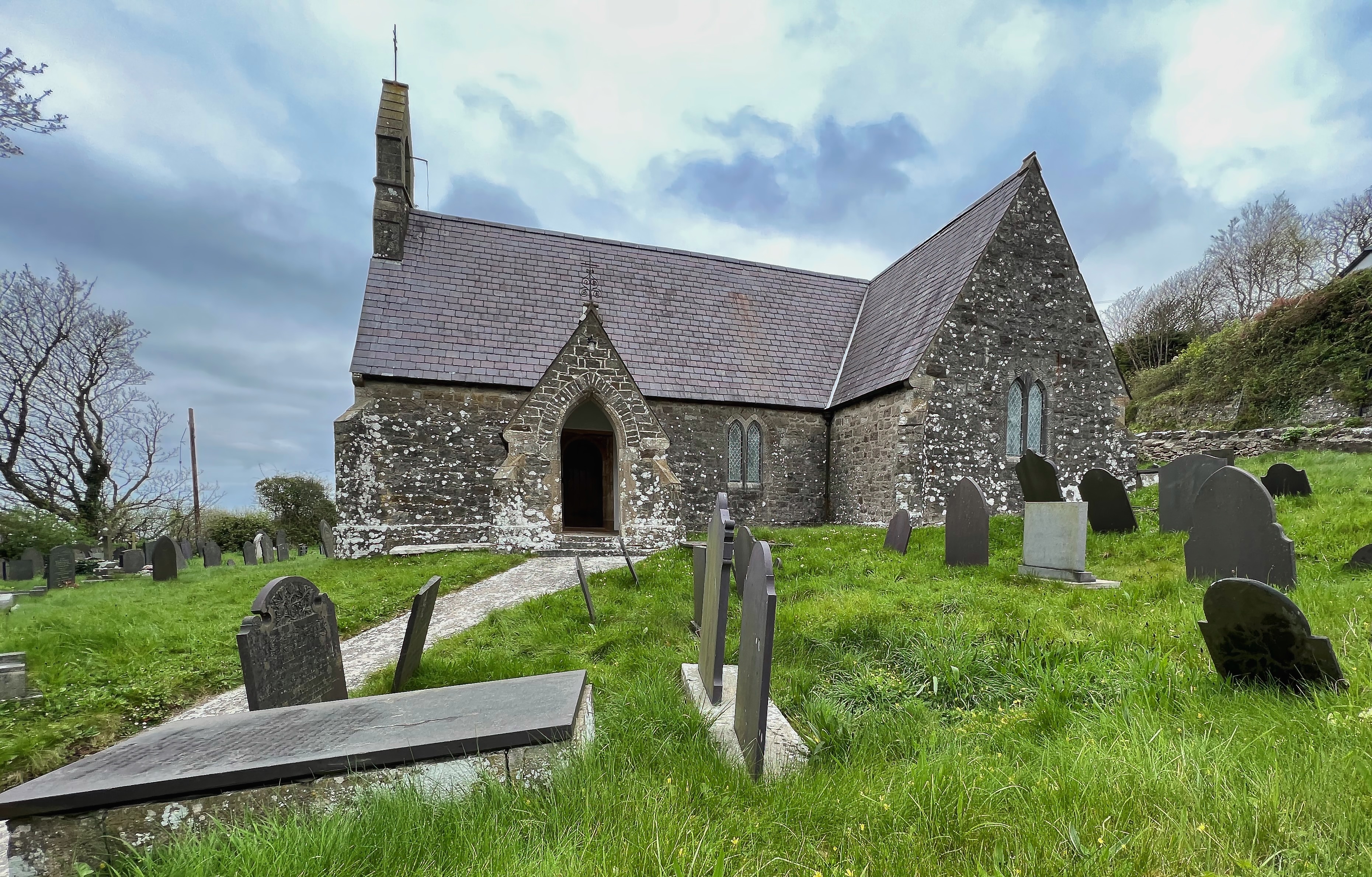
As we have seen, a defining feature of Welsh llan names is their association with local saints, many of whom were missionary monks, teachers, or founders of religious communities. These saints were not always formally canonised by Rome but were deeply venerated within their regions. Examples include:
• Llanbadarn Fawr, dedicated to Padarn
• Llandaff, associated with Teilo
• Llanilltud Fawr, linked to Illtud
These early religious centres frequently became major places of learning and spiritual influence.
Early Christian Communities and the Birth of Settlements
To understand why llan appears so frequently in Welsh place names, it helps to look at how Christianity developed in post-Roman Britain. After Roman administration collapsed in the early 5th century, Wales lacked large urban centres that might otherwise have served as religious hubs. Instead, Christianity spread through local missionary saints and monastic founders, who established small religious communities throughout the countryside.
These communities, known in Welsh as clasau (singular clas), typically consisted of:
• a small church or chapel
• an enclosed burial ground, often circular or oval in shape
• agricultural land
• houses for clergy, students, and dependants
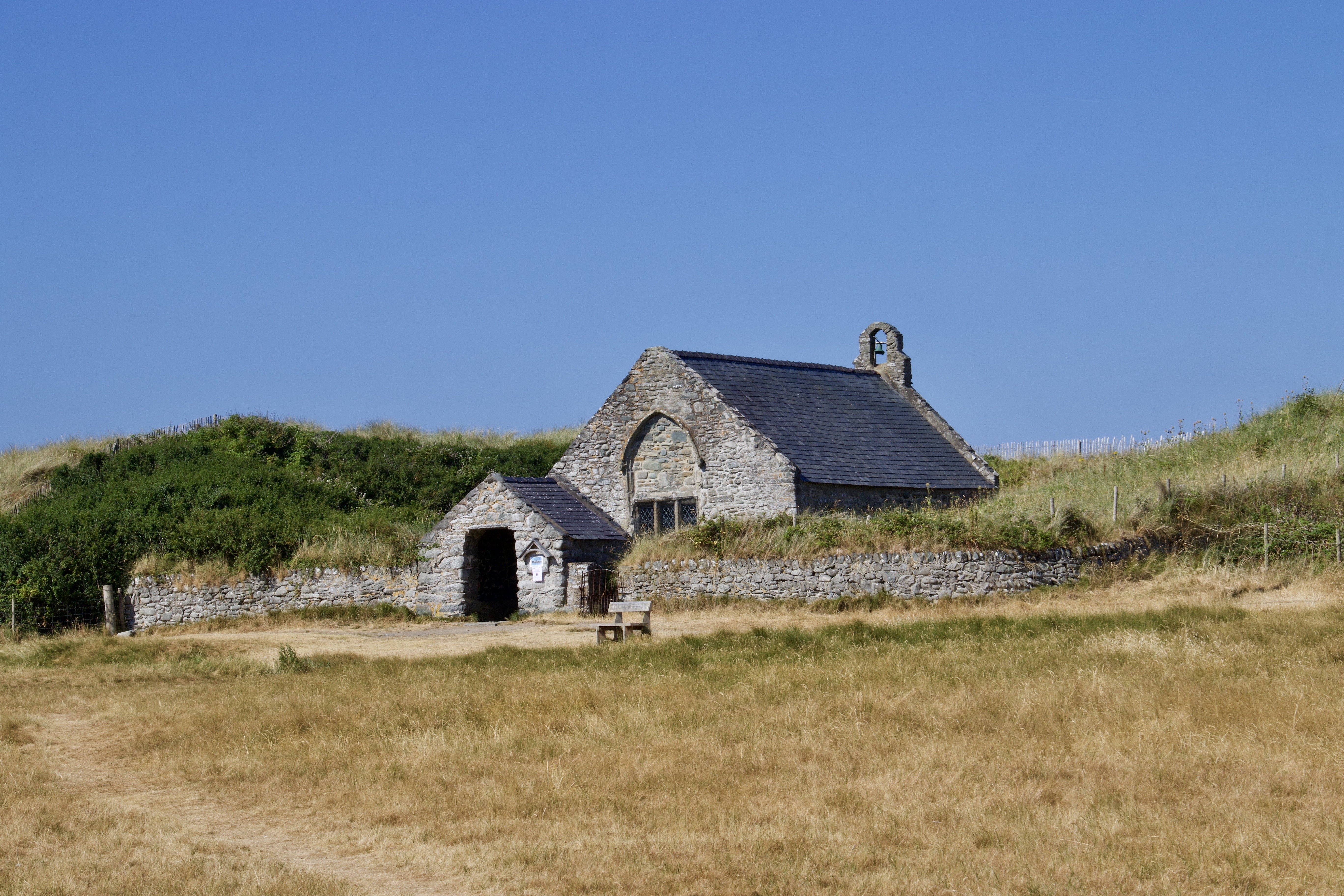
The enclosing boundary—often a bank, ditch, hedge, or low wall—marked the space as sacred. In Welsh this enclosed holy ground was referred to as a llan, the term that later gave rise to many Welsh place names. Many settlements beginning with Llan are near the coast. These were important staging posts for travel used by the evangelising saints. Llandanwg is a classic example, and you can read more here https://paulchallinor.com/2018/12/27/llandanwg-church/.
Archaeological Clues Hidden in Churchyards
Many ancient llan foundations share distinctive physical features that still survive in the landscape today. When visiting rural Welsh churches, travellers may notice:
• circular or oval churchyards, reflecting the shape of the original enclosure
• early inscribed memorial stones dating from the 5th–7th centuries
• carved stone crosses or cross-slabs
• proximity to springs or holy wells
These clues often reveal that a seemingly modest parish church may stand on a site of very great antiquity. Because these early enclosures followed practical landscape boundaries rather than rigid geometric plans, they were often rounded or oval in form. Another reason for the circular form may lie in earlier sacred traditions. Archaeologists have long observed that some early churches were established on sites that had already been regarded as special or sacred during pre-Christian times.
Circular enclosures were common features of prehistoric ritual and settlement sites, including Iron Age farmsteads and sacred spaces. Early missionaries sometimes adopted such locations because they were already recognised as important places within the local landscape. In this way, the circular churchyard may represent a continuity of sacred space, where an earlier ritual site was gradually transformed into a Christian one.
A Landscape Fossil
Perhaps the most intriguing aspect of these churchyards is that they represent a kind of “landscape fossil.” Even when the original monastery disappeared, and later medieval churches replaced earlier buildings, the boundary of the sacred enclosure was rarely altered. Over centuries, as villages expanded and agricultural patterns changed, the churchyard boundary often remained untouched out of respect for the sanctity of the burial ground. As a result, many Welsh churches today still sit within boundaries that were first marked out well over a thousand years ago.
For visitors exploring rural Wales, these circular churchyards offer a rare opportunity to stand within the physical footprint of early Celtic Christianity. The stone walls surrounding many parish churches today may trace the same line once marked by an earthen bank enclosing a small community of monks and their burial ground.
Seen from above—or simply by walking around the perimeter—the curved boundary quietly reveals the deep historical roots of the site, preserving a subtle but powerful connection to the earliest Christian communities of Wales.
A Pattern Shared Across the Celtic World
Wales is not alone in preserving these ecclesiastical place-name patterns. Similar naming traditions occur throughout the Celtic regions of the Atlantic seaboard, particularly in Ireland, Cornwall, and Brittany.
In Ireland, the equivalent element is cill (often anglicised as kil), meaning church or monastic cell. Well-known examples include:
• Kildare — “church of the oak,” linked with Brigid of Kildare
• Kilkenny — “church of St Canice”
In Cornwall and Brittany, the closely related forms lan or lann appear in place names such as Lanivet, Lanteglos, and Lannion. These linguistic similarities reflect the shared heritage of the Brythonic Celtic languages spoken across western Britain and north-western France.
Movement of Saints and Monastic Networks
One of the most fascinating aspects of this shared naming tradition is the remarkable mobility of early medieval saints and scholars. Far from being isolated regions, the Celtic lands of the Atlantic coast were linked by regular travel along maritime routes. In an age when overland travel through forests and mountains could be slow and dangerous, the sea functioned as a natural highway.
Small vessels regularly crossed the waters between Wales, Ireland, Cornwall, and Brittany, carrying monks, traders, pilgrims, and students. Through these routes, ideas, manuscripts, and religious practices circulated widely.
Many saints associated with Welsh llan foundations were part of these wider networks. For example, Illtud established a major monastic school at Llanilltud Fawr. During the 6th century this community became one of the most important centres of learning in Britain, sometimes compared to a monastic university. Students from across the Celtic world are believed to have studied there before travelling out as missionaries.
Another notable figure was Samson of Dol, who is thought to have trained in Wales before crossing the Channel to establish monasteries in Brittany. His career illustrates how religious leaders often moved between regions, founding new communities that maintained spiritual and cultural links with their places of origin.
Similarly, the Irish missionary Columba founded a network of monasteries stretching from Ireland to Scotland and northern England, demonstrating the broad geographical reach of early Celtic monasticism.
These travelling saints created interconnected communities of learning and worship. Monasteries exchanged manuscripts, preserved classical learning, and trained clergy who continued the cycle of missionary work. In effect, the Celtic Christian world formed a loosely connected intellectual and spiritual network stretching across the Atlantic fringe of Europe.
From Sacred Enclosures to Modern Towns
By the 10th to 12th centuries, many early llan communities evolved into formal parish churches as the medieval diocesan system expanded across Wales. Rather than replacing earlier sacred sites, the emerging church hierarchy often adopted them.
Over time monastic enclosures became parish churchyards, surrounding farms developed into villages and villages grew into market towns. Yet the original place name remained, preserving the memory of the site’s earliest religious foundation.
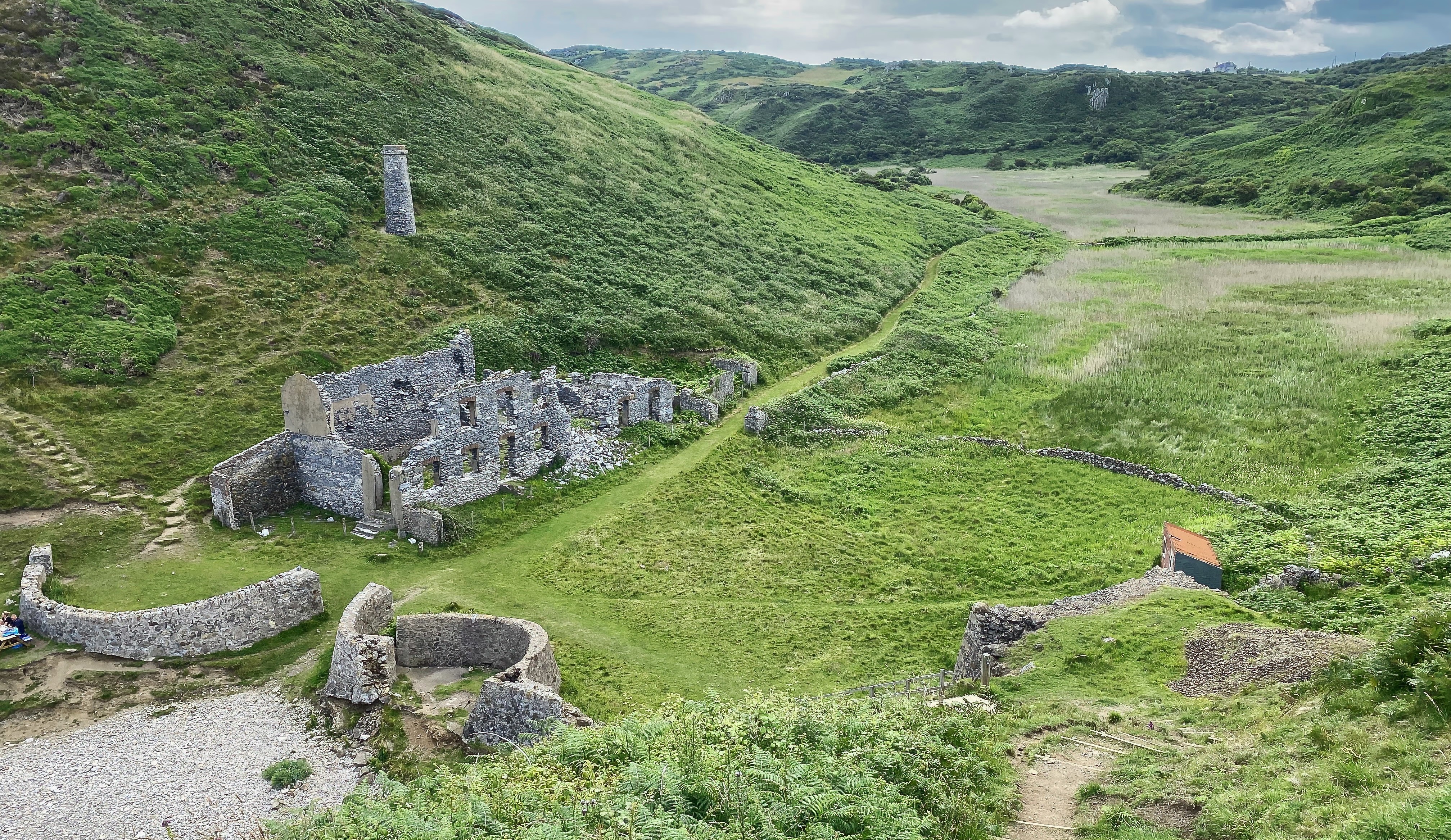
Not all places in Wales beginning with Alan have a church still extant. On Anglesey there Llanlleiana exists now only as the ruined remains of a porcelain works. The name Llanlleiana appears to denote a connection with nuns (lleian is Welsh for nun). It was written as Llanliane in 1535 and Llanlliana c.1840. However, there is no record of a nunnery or convent here, and we should keep an open mind about the origin of the place-name.
A Living Echo of Early Wales
For travellers exploring Wales today, the repeated appearance of “Llan–” on maps is more than a linguistic curiosity. It is a reminder that many modern communities grew from small sacred enclosures established by wandering saints more than a millennium ago.
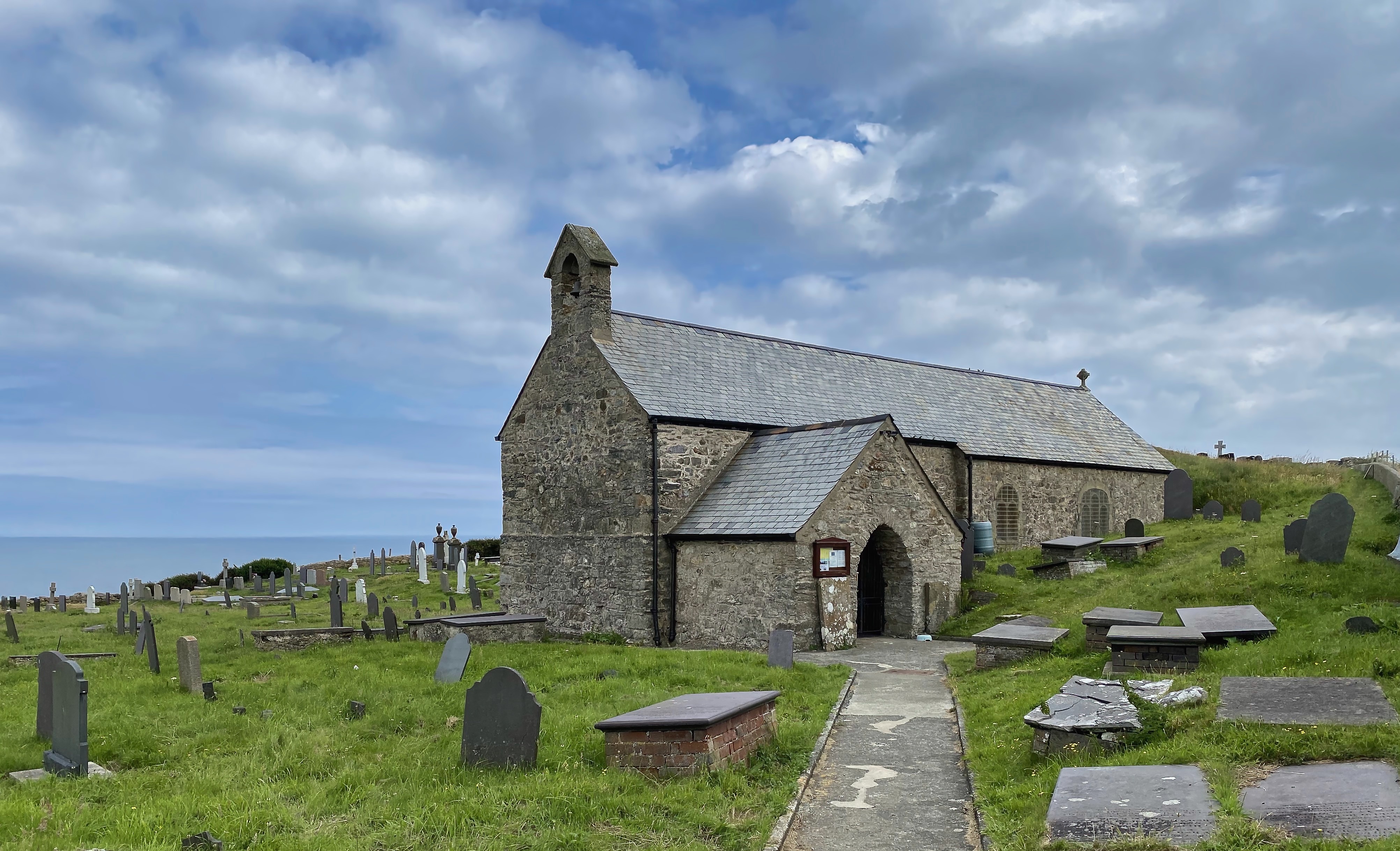
Every llan name marks a place where faith, landscape, and local identity once converged. Whether encountered in a quiet rural valley or on the outskirts of a modern town, these names offer a glimpse into a time when the spiritual geography of Wales was being shaped by monks, missionaries, and the sea routes that connected the Celtic world.
Once you recognise the meaning of llan, travelling through Wales becomes a little like reading a historical map written directly onto the landscape itself.


 Travels With My Aunt
Leave a comment